

On this page
Meliora, Ghost’s 2015 masterpiece marked a departure from their previous image of satanic/occult hard rock toward a more philosophical subject matter. For their third studio album the subject chosen was ‘what would humanity do in the absence of god’ and the album’s title Meliora, reflects that. Meliora translates to ‘better’ yet according to a Nameless Ghoul, this title should come with a question mark. Away from the eyes of God, is humanity’s independence its greatest strength or most glaring weakness? Let’s see what that answer might be.
An article by Henry.
ACT 1: THE CHOICE
After Infestissuman
At the end of second album Infestissumam (2013) the Antichrist had been born in a grand ceremony as presented in Monstrance Clock, and the devil’s influence is now set to spread across the world. Under the influence of the devil the world has grown into a gothic metropolis as a result of humans hysterically seeking the next peak to climb, innovating upon innovations until all is unrecognizable.
In this metropolis it appears that in the relentless pursuit of innovation, one more improvement has been thought up. Humanity has turned to God for vision, but it seems that the chemists have found a new God, and it comes in a bottle.
Spirit - God Rejects Humanity
Humanity has improved once more! You do not need to pray to God to see a world beyond our own, the Green Muse can take you there, and all it costs is your soul.
As Spirit begins we are commanded to throw ourselves into the vessel of possibilities, literally in the form of drinking from a vessel, but also about the freedom that we will gain from losing our chains by partaking in this ritual. We’re informed that the green muse is ‘the apparatus for soul mobility’ being sold to us as the way to gain our freedom, to literally free our very souls from the institutions that seek to claim them.
As we reach the chorus we’re met by a devilishly clever double meaning in the two words sung. ‘Spirit, Absinthe’ refers to the green muse’s name and spirit as in a strong alcohol, but can just as easily be heard as “spirit, absent” referring to the proclamation that the spirit, interpreted as a soul or the holy spirit of God.
In the second verse a counter narrative appears, a voice cautioning the listener of the dangers of the absinthe, reminding them of the seven seals that will be opened should humanity stray too far from the path. This point is plainly restated in the line “anti-saint wormwood catapulting your mind into the jaws of death” both literally for the drinker and for humanity as a whole. The chorus repeats once more but this time it perhaps represents a choice, retain your spirit or partake in the absinthe.
After a kickass guitar solo papa sings once more, informing us that we are past the point of no return. The guitar solo represents the drinking and subsequent effects of the absinthe, before returning to a semblance of reality only to realize that it is too late. They are at the last gate before Hell and there is no going back, the only thing left to do is plunge into the depths. The words of the outro come right from the mouth of God, who is looking down upon the previous scene and deciding ‘no more’. God declares “Let none of this Earth inherit this vision of my spirit.”
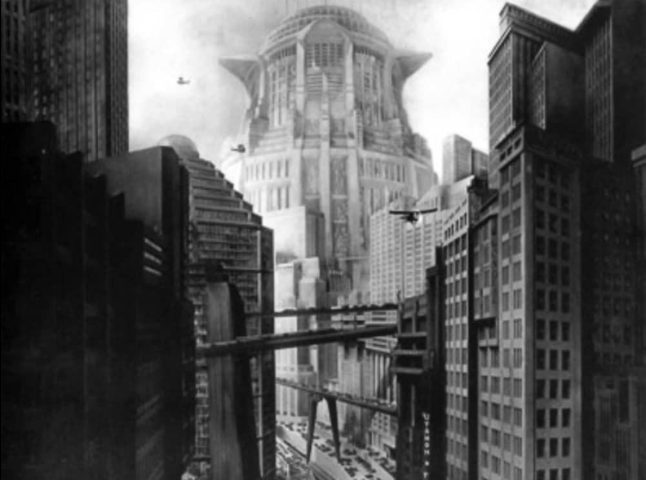
Another story running alongside the narrative of choice and giving into temptation is that of a distraught subject who has decided to get drunk off of absinthe before committing suicide. The final declaration is both words from God and of someone who cannot bear to live in this hellish metropolis anymore.
From the Pinnacle to the Pit - Humanity Rejects God
Revolution is here! Institutions both secular and religious are being toppled. Though allusions to the fall of Lucifer from Heaven to the Earth are thrown around all the song, this is about the collapse of kings chosen by God. Many rulers, especially prior to the Enlightenment, would cement their legitimacy through claims to have been chosen by God, receiving a mandate from heaven to rule. So logically when our civilization in Meliora has seen their God abandon them, these rulers have no more claim to power.
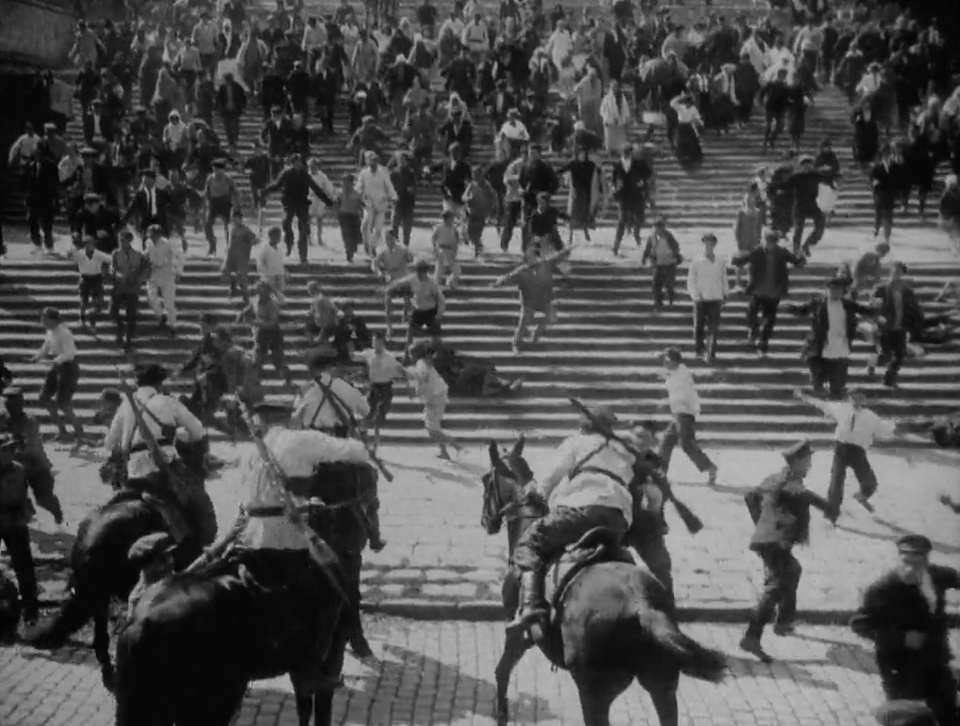
References are made to symbols of power in both political and religious orders, lines like “you have the power, you wear the crown” and “you wield the scepter, you wear the gown” are accusational statements thrown at authority before they are tossed aside by the revolutionaries. After each of these lines the hook is sung “from the pinnacle to the pit, it is a long way down” as a mocking statement that reinforces that these previously held symbols of power mean nothing as the authorities are thrown amongst the masses to be torn apart.
The discontent that led to the revolution is mentioned in passing “in your empire, they stare in frown” with the same accusational tone, making it seem as though these are spoken by the masses that have overthrown the regime. Past lies from the powers that be are now seen through “cruciger globus, you stand your ground, the orb disfigured, what flat looks round” shows us that with God absent the veil has been lifted. People now understand that they have been deceived and that they now have to tear down the world built on lies. With the monarchies and churches toppled, the people are left to “wear [their] independence like a crown”.
Cirice - The Devil’s Temptation
Society has torn down what structure there was before in life and now has lost purpose. People bound by their political and religious order find their lives lacking any foundation and aimless runs rampant. In the power vacuum a new force enters the picture, the false prophets.
The scene painted in Cirice is a contained scene, the false prophets championing the word of Satan as a replacement for the religious structure many were used to before. Under the guise of healing and acceptance the prophets indoctrinate many in the new world of Satan who has taken over in the power vacuum. Since the revolution that took place in FTPTTP humanity has had time to wallow in the filth of their previous order, an order that many seek refuge from.
It is no coincidence that Cirice follows immediately on the heels of the final declaration of independence by humanity, freedom to make one's own choices.
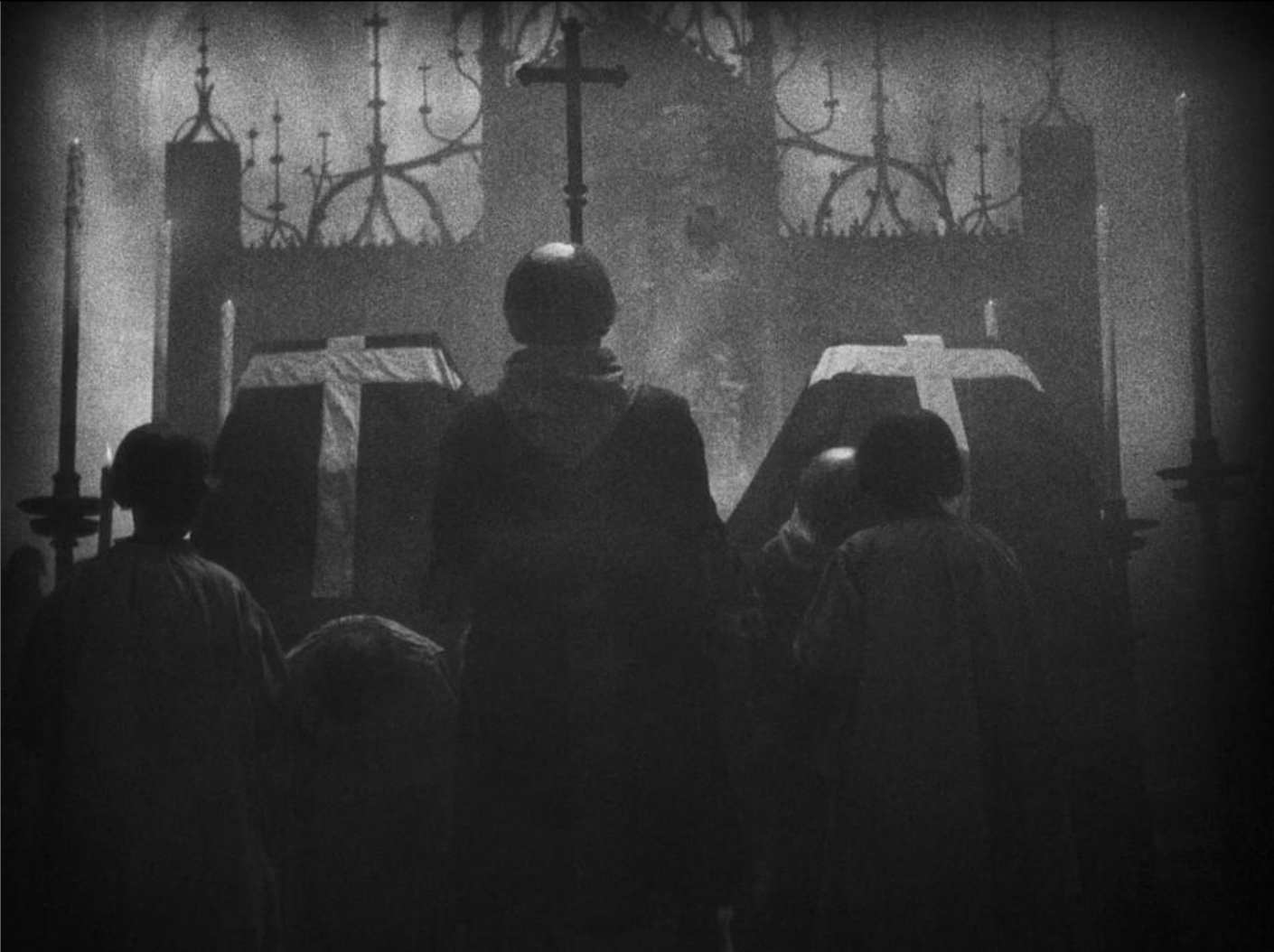
It is here that the moment from Cirice gains new context. Religious and political institutions have been torn down and all that's left is the path forward. So it is all the more inviting when the false prophet asks “can’t you see that you’re lost?” and less surprising that his hand is taken. Preying upon those most affected by the old world the false prophets promise forgiveness before letting it slip that the false prophet has their hooks in the listener.
The lyricism of Cirice paints an intimate scene of connection between the listener and the false prophet. Details like “a candle casting a faint glow, you and I see eye to eye” and questioning if the listener can hear the rumbling of the higher power that the false prophet promotes. The booming sounds of Cirice’s instrumental break is the listener able to hear the thunder that the false prophet questioned about.
Humanity has heard the thunder, and after moving off of God’s path they have stumbled onto the Devil’s. Rejoice.
Spöksonat - The Devil’s Influence Grows
This track is a sinister interlude between the Devil’s seduction of humanity and the moment where humanity ultimately accepts the worship. The instrument choice of a plucky harp kind of sound is meant to sound mysterious and melancholic, as if to allow the audience to truly realize what they have just done by allowing themselves to be entranced by Cirice, a moment of self reflection before they rejoice the Devil.
This post is public so feel free to share it.
He Is - A Sermon for the Devil
The Devil is the new God and now there must be a prayer for him. He Is is a reflective track that recounts how humanity has come to accept the rule of the Devil. Opening with “we’re standing here by the abyss, and the world is in flames, two star-crossed lovers reaching out, to the beast with many names” represents humanity realizing the damage they have done in their zeal to tear down the old world, and now they make an appeal to the Devil.
This version of humanity finds the Devil to be a kindred spirit for their current situation, revealed by the line “he is insurrection” in reference to how humanity got to its current state through insurrection, not unlike Lucifer being cast out of heaven. This is reinforced by the lines “he is nostro dispater, nostr’alma mater” which translates to "he is the god of the underworld, he is our nurturing mother” which paints the Devil as the caregiver of the world that has followed in his footsteps. This relationship is further reinforced by the line “he is the disobedience that holds us together” referring to how both humanity and the Devil have rebelled against God.
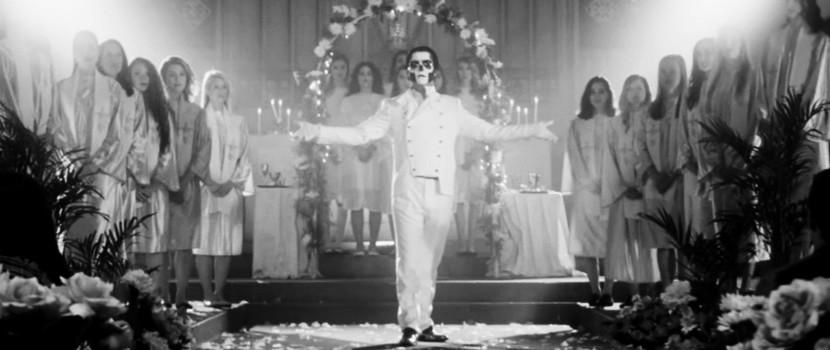
The surreal moment is encapsulated with “we’re hiding here inside a dream, and all our doubts are now destroyed”, with humanity achieving the ultimate freedom and following the Devil as an example. They follow the light of Lucifer (the light bringer) further and further from the world they once had, and toward ‘the void’. Trying to determine the meaning of this void is tricky, but I believe it means something similar to a “great unknown” kind of destination, that humans have been so used to the old ways that a lie without seems impossible to exist, a void that Lucifer leads them toward.
The narrator for this track is once more the false prophet, who reinforces the romance and intimacy between them and the listener, especially with the reference to the “two star crossed lovers” to further entrance the listener. At the end of the song the narrator makes it clear to the listener “and we are falling over the precipice” to show that the prophecy told in Spirit has now come true, “there’s no return from this excursion” and they have officially passed the falling off point. Humanity now belongs to the Devil, and we are left to see chaos reign.
END OF ACT I
ACT II - THE CONSEQUENCE
Mummy Dust - Mammon Comes Forth
Without God, humanity’s only idols are their material possessions. The narrator for this track is Mammon, one of Satan’s demons who represents greed. In this track Mammon recounts his destiny to corrupt humanity into destroying itself.
Humanity puts their trust in their new God, money, that is shown to be worthless through its title as “mummy dust”, a reference to paper currency as being a valueless material that has been granted the status of a deity in place of the old God. The “in God you trust” and the word “mummy” are in reference to the American dollar bill which bears the words “in God we trust” as well as imagery of a pyramid on it, calling out materialism as a culture. The “mummy dust” moniker is also in reference to a phenomenon among rich Europeans in the late 19th century of buying mummies from Egypt for their medicinal purposes, although none was proven. This means that ‘mummy dust’ is interchangeable with ‘snake oil’ or other such scams.
Regardless of the title’s true meaning, this song is about the beginning of the end for humanity. Humanity has bought into the Devil (who for now remains hidden)’s schemes, the first pitfall being the worship of material wealth. As wealth tends to do, it begins to tear humanity apart, as people are too compelled by greed (or perhaps because of the lack of old world societal norms telling them to quell their urges) and gorge themselves to death. In the rat race humanity tramples and pushes one another to devour the most at the “feast of rapacity”.
The narrator mammon now wrestles destiny out of the hands of humanity and into the hands of the Devil and his cabal. Humanity’s independence has been squandered in pursuit of greed, leaving the worst impulses as the true king of the Earth. Mammon triumphantly declares “you’re the possessée of avarice, I’m the ruler of the Earth” meaning that man's subservience is now cemented.
Majesty - A Desperate Plea
Desperate for guidance, humanity turns toward the only higher power they see left, a higher power found underground. Clearly unbeknownst to them, Satan has already been pulling the strings and he along with his princes of Hell watch in amusement as humans throw themselves at his feet to save them from themselves.
Humanity is doomed, and they know it. “Pathetic humans indespair, defaced, deflowered now to death devout” are grovelling at Satan’s feet, now accepting him as he is. All hope has abandoned Earth and normal people are throwing themselves to Satan in a desperate plea, but Satan and his princes.
The chorus of Majesty is an attempt to flatter Satan into aiding the desperate masses. To quote a Nameless Ghoul “it paints a picture of a swarm of people, whom in a world of complete disaster, idolizes an authority that is clearly looking down upon them.” This desperate plea is a forlorn hope and perhaps is the final nail in the coffin that ensures humanity’s destruction. Satan was content with watching mankind tear themselves apart from greed but now the humans in their foolish plight have actually invited him to intervene directly. They profess their love for Satan, but he feels only hate. And Satan smiles at the opportunity to wreak havoc with his armies of Hell.
Devil Church - Hell Comes Forth
An instrumental track that in the narrative represents the gathering of Satan and his army of demons prior to the events of the track Absolution.
Absolution - Equality in Death
This track, from the perspective of Satan as he speaks to humanity as he marches out of Hell preparing to wreak havoc. He makes a mockery of the humans that have been so pointlessly focused on improving and improving, to a point that they have brought on their own destruction.
Despite those who pushed each other aside in the rat race described in Mummy Dust, Satan knows that everything they have gained will be for nothing as they will all face absolution. Even the most powerful fall to Satan’s command “put your hands up and reach for the sky, cry forabsolution” which evokes the ‘judgement day’ narrative to make further mockery of mankind. He fought so hard to get to the top, yet he will cry for absolution just like the others. Humanity does not realize their error and thinks that they can improve their way out of the grave they have dug for themselves, “hysterically seeking out what needs improving” but this too will never be enough. No matter what any of them have achieved, the new world order, their material wealth, status, will all be consumed by the fires of Satan’s absolution.
Deus in Absentia - A Final Prayer
This track is the final scene in which humanity realizes just too late what could have saved them. As the track comes in with a ticking clock representing the inevitable end of times, humanity turns toward the fading light. Perhaps in this track God is watching, as there is still a light to turn to, but God does not respond. Satan sings “In this your time of need, you’re turning to the light” but makes a jab at humanity that they were just getting started “you had just begun to explore the dark, in the urban night”. This, like all good final acts, makes a reference to the beginning. When Spirit began with the proverbial establishing shot of the urban night referenced here, this was the beginning of the end. Here Satan is almost disappointed that humanity’s great experiment only lasted so long before it caused their destruction.
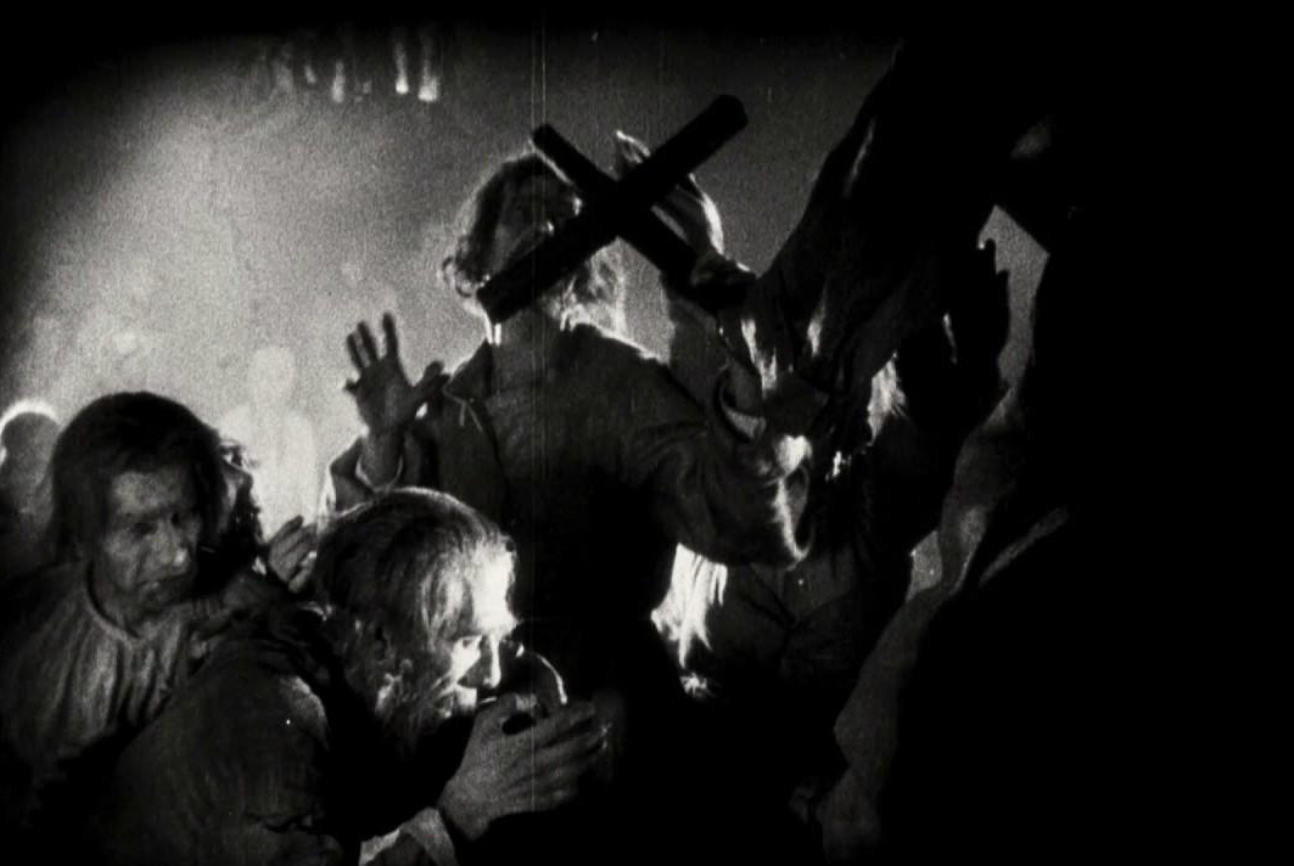
The fate of the world is sealed, Satan knows that and humanity does too, yet in desperation humanity turns back toward God. He declares “the world is on fire, and you are here to stay and burn with me, our funeral pyre”. He got his wish, and mankind is being extinguished. Satan humiliates humanity for their weakness and ignorance, they are “bareback in disgrace” a sort of sexual humiliation.
As Satan’s words end there is a void free of instrumentation after the clock has run out. Voices call out from the void “Deus in Absentia” or, “God is Absent.” Humanity’s experiment has ended in destruction and all that is left are the ashes.
Written by Henry